Electrical Engineering
Low-voltage electronics to high-voltage power systems.
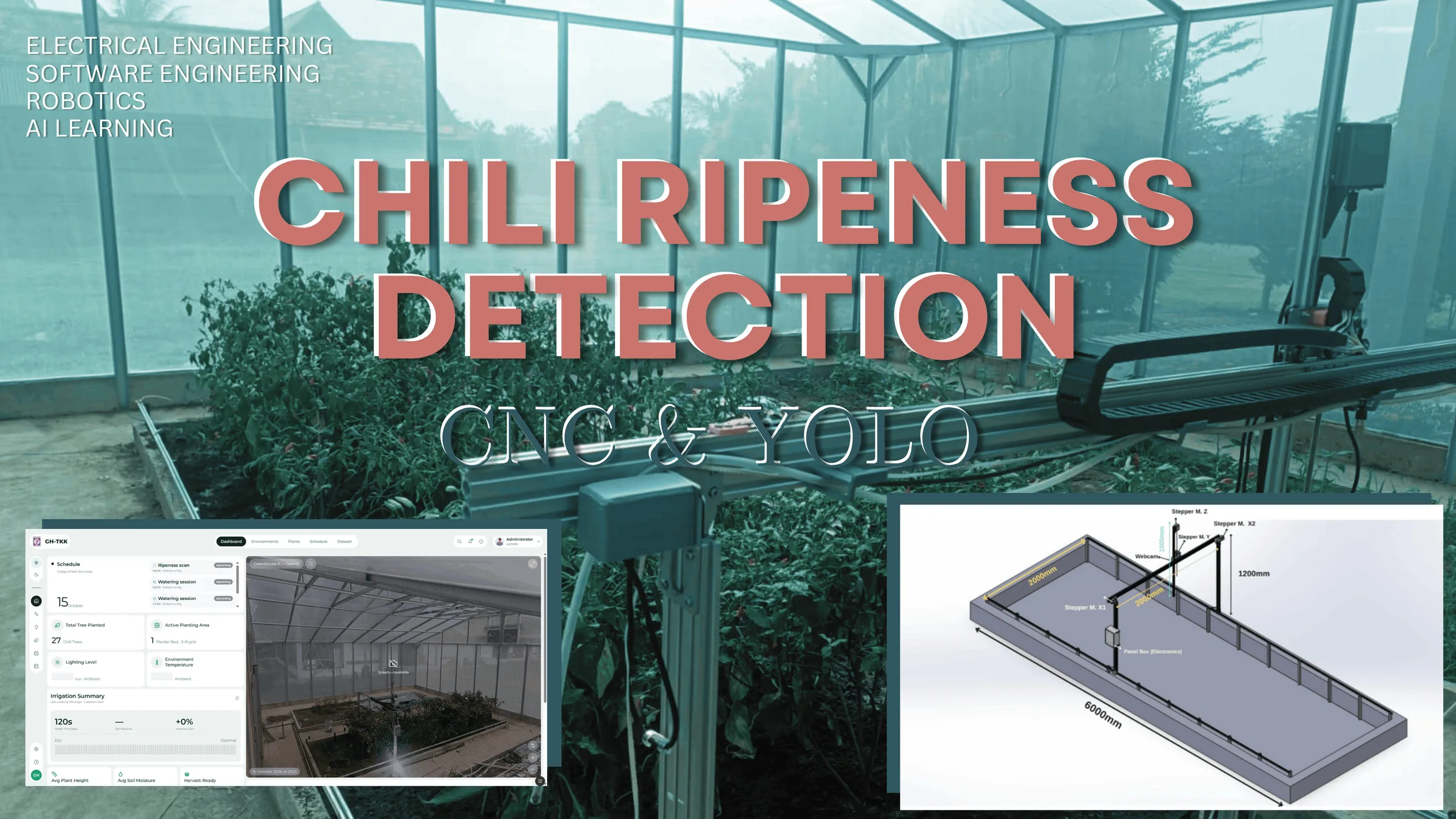
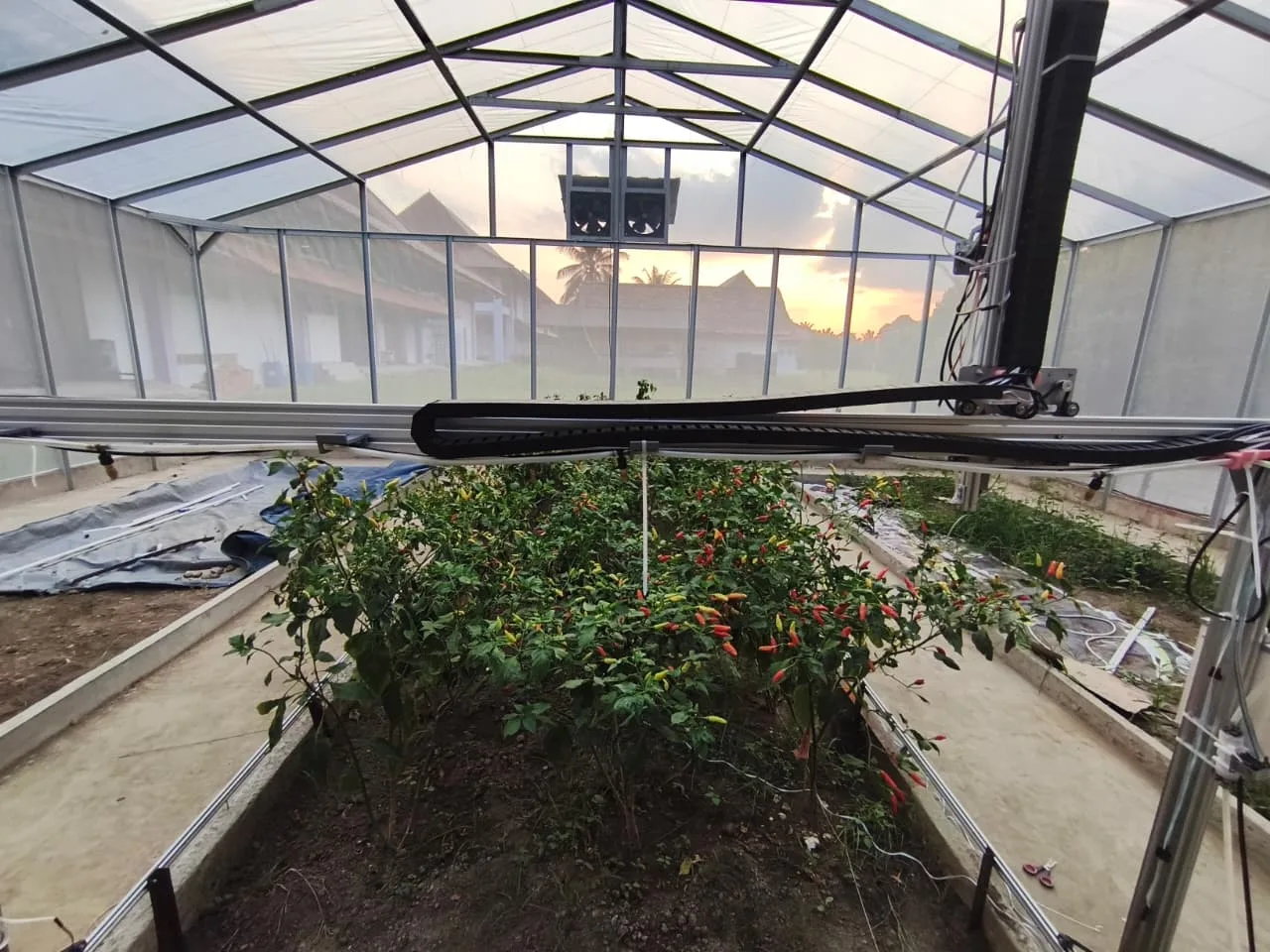
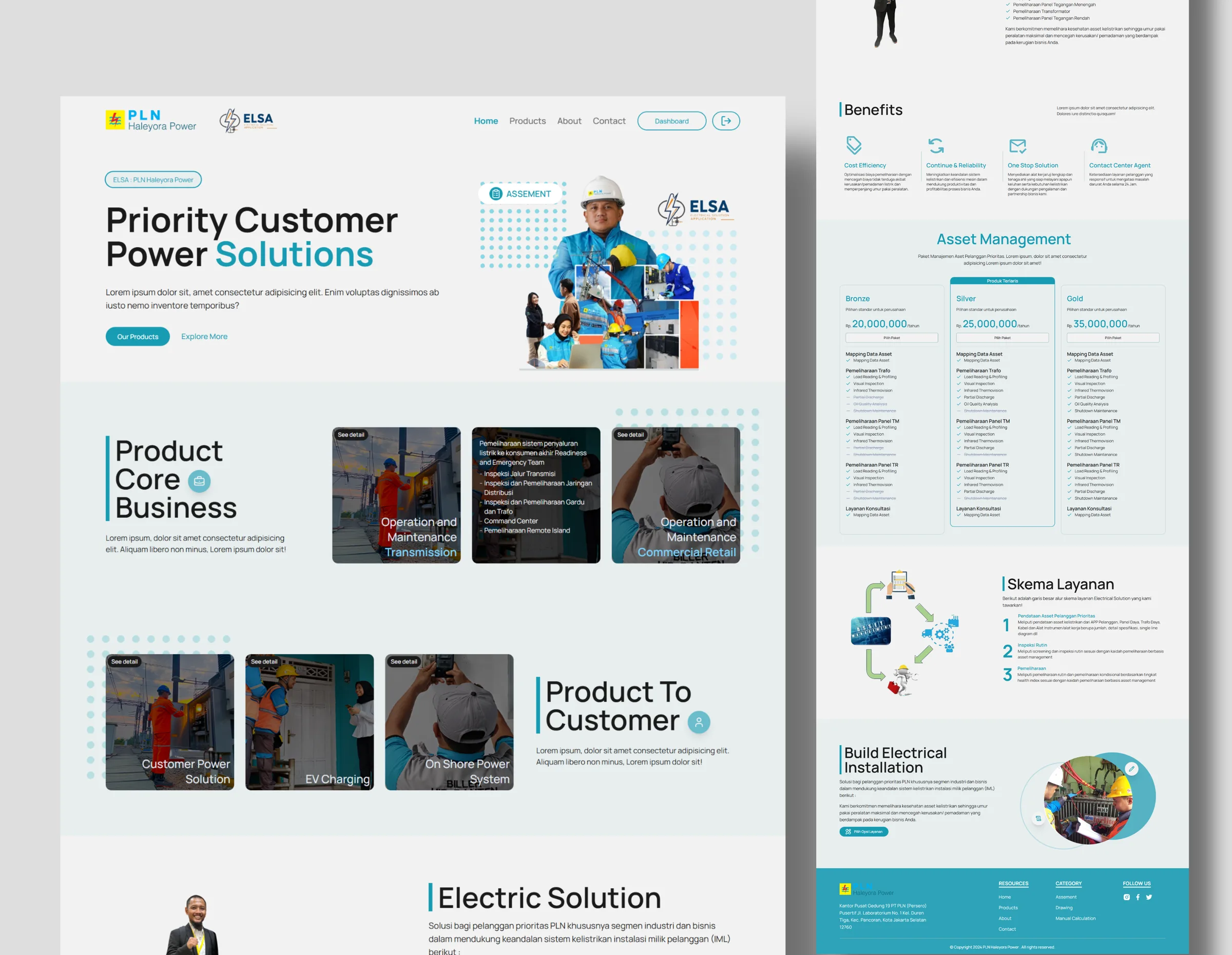
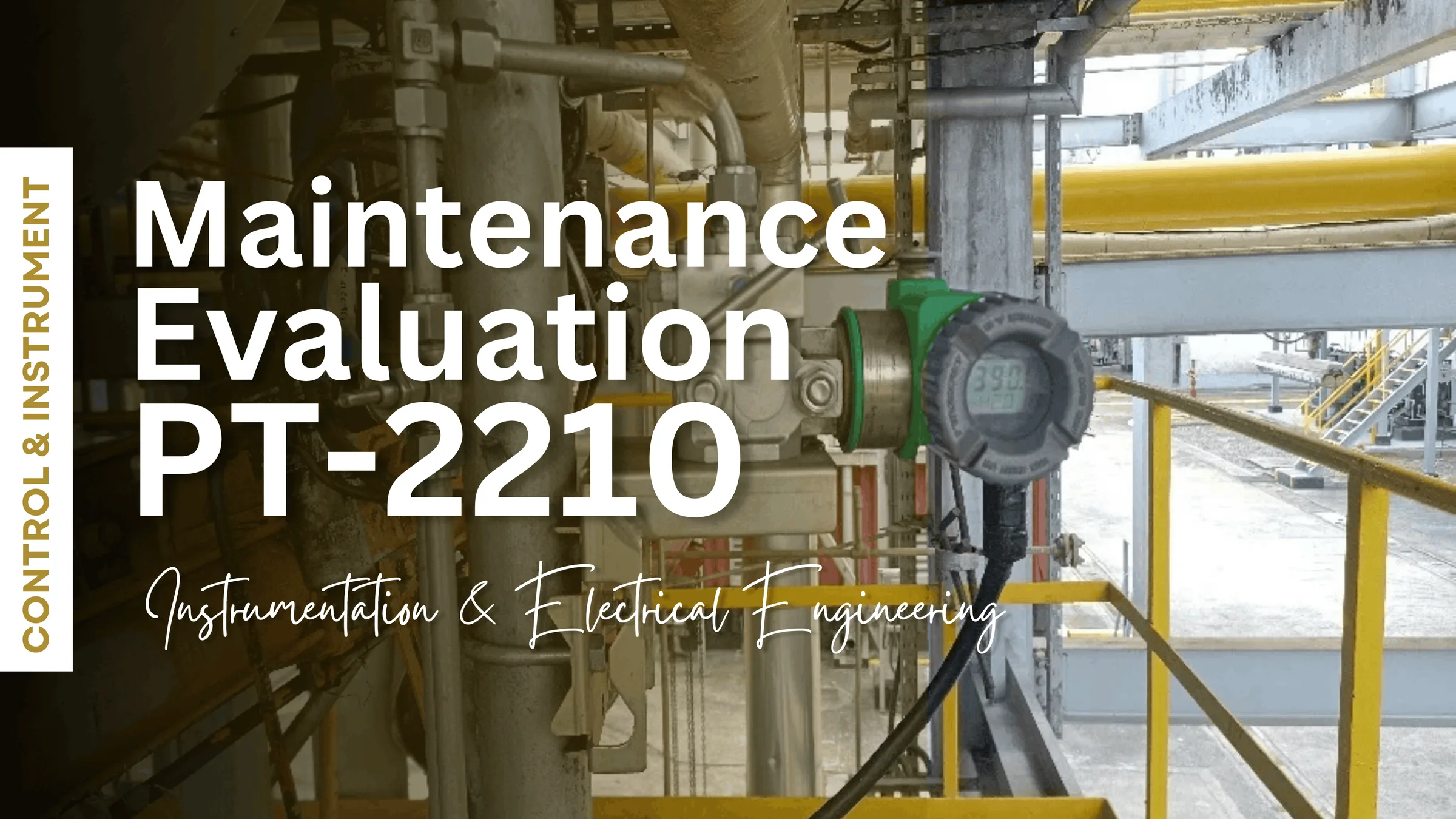

From millivolts to kilovolts
Circuit boards, panels and power systems, designed, simulated and commissioned.
My electrical work spans both ends of the voltage range: low-voltage electronics and PCBs on one side, and high-voltage power systems, protection and installation design on the other.
Every design is simulated before it is built, documented so someone else can maintain it, and tested against the standards it has to meet.
Skills & tools
What a Electrical Engineering project draws on
Low Voltage & Electronics
Circuits and PCBs.
Power Systems
Studies and protection.
Wiring & Electrical Design
Drawings that can be built.
2D & 3D Design
Enclosures and layouts.
How I
work
A look at how a typical Electrical Engineering project comes together
01
Requirements
Loads, voltages, environment and the standards the design has to meet are written down before a single symbol is drawn.
Outcomes
- Specification
- Standards checklist
- Risk list
02
Design & Analysis
Schematics, layouts or single-line diagrams, backed by simulation: load flow, short circuit and protection studies where they apply.
Outcomes
- Schematics and layout
- Study reports
- Drawing package
03
Build & Commission
Support through fabrication, panel build or installation, then bring-up and testing until it behaves as simulated.
Outcomes
- Test records
- As-built drawings
- Handover documents
Related Work
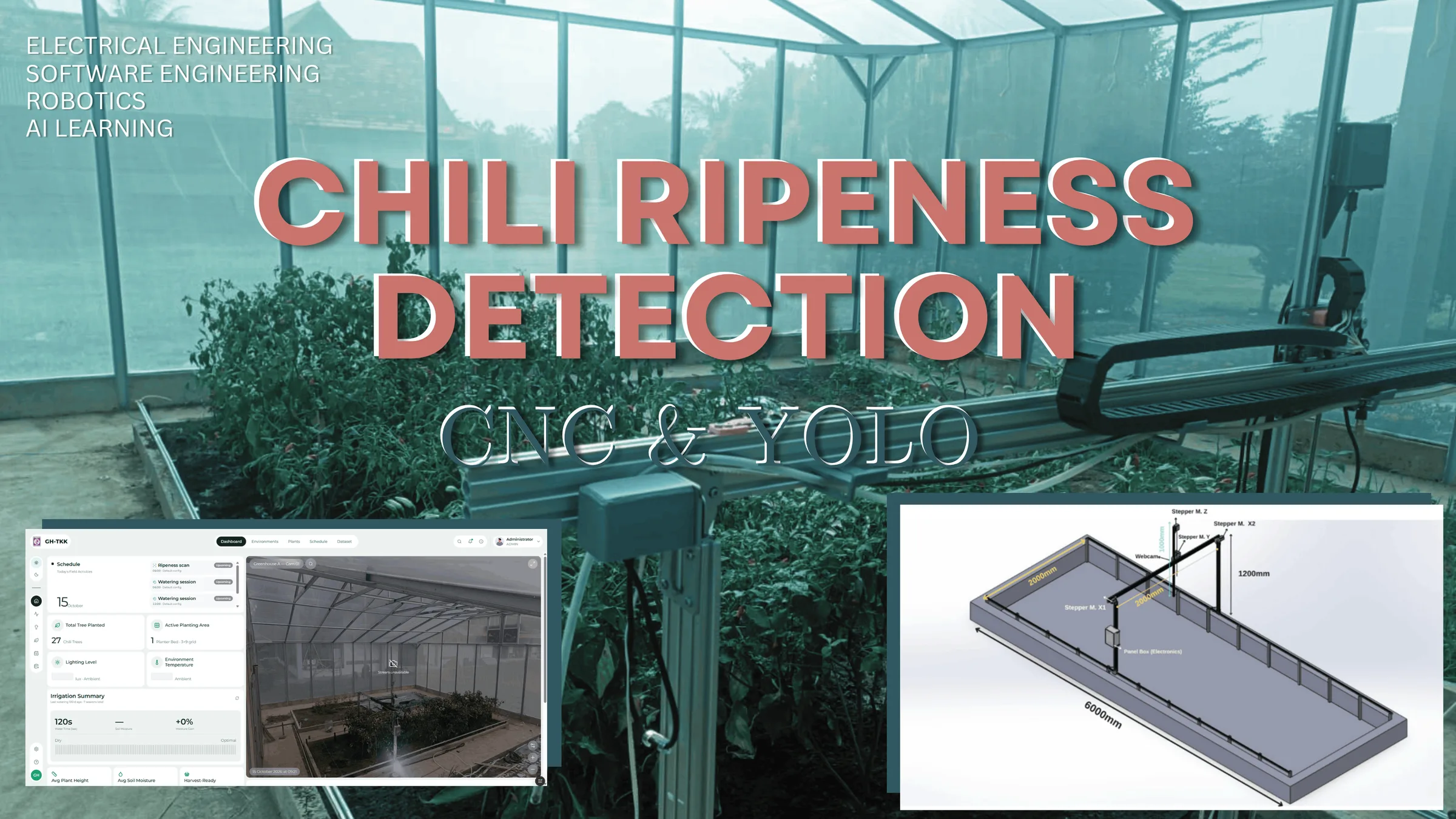
Yes. Electronics and PCBs at the low end, and power systems, protection and installation design at the high end.
Often. I review the design, find the fault or limitation and propose a revision.
Always. You own the schematics, layouts, drawings and documentation when the project is done.
Common Questions
Answers to what people ask most about Electrical Engineering
Need help with your project?
Let’s work together!