IoT & AI Systems
Connected devices and the models that make sense of their data.
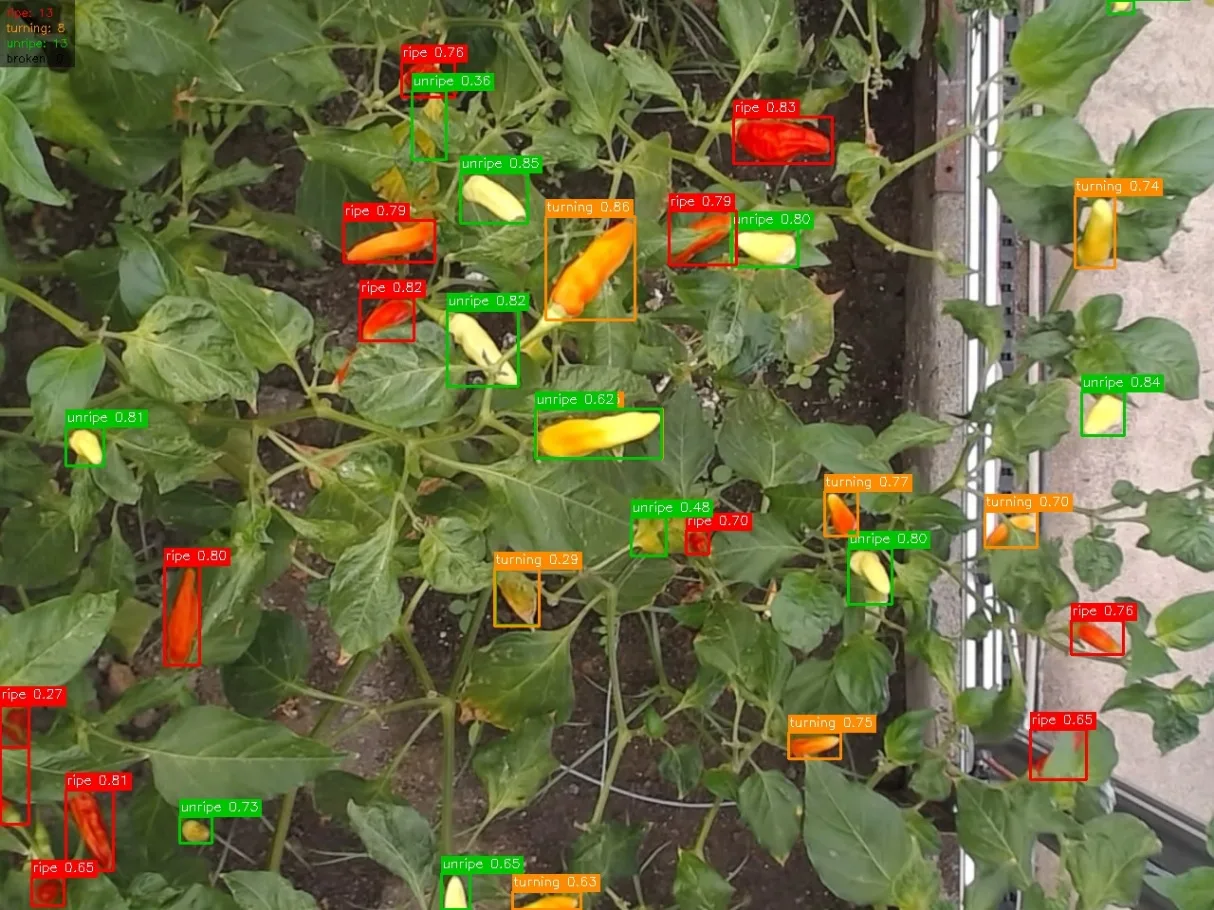
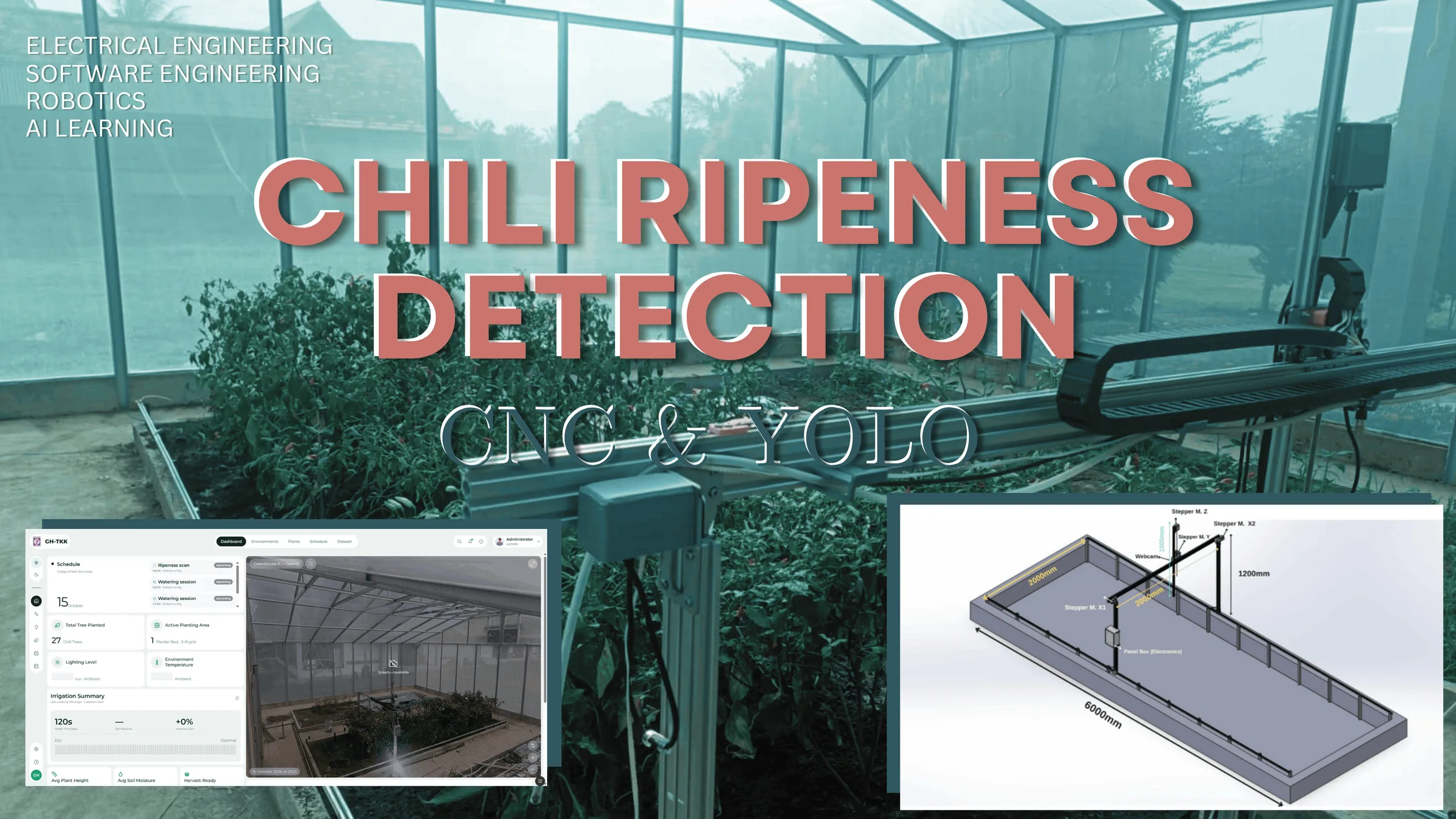
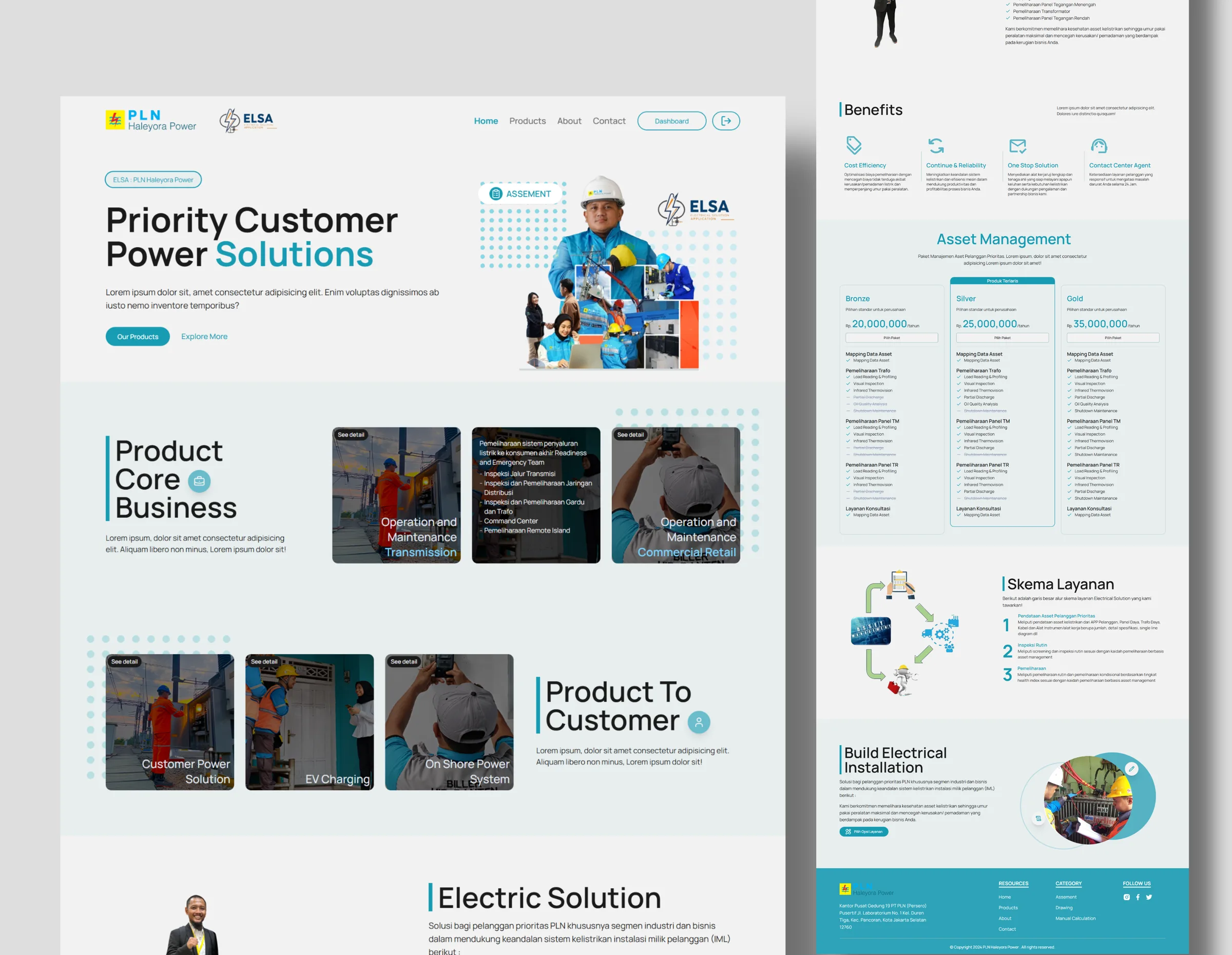

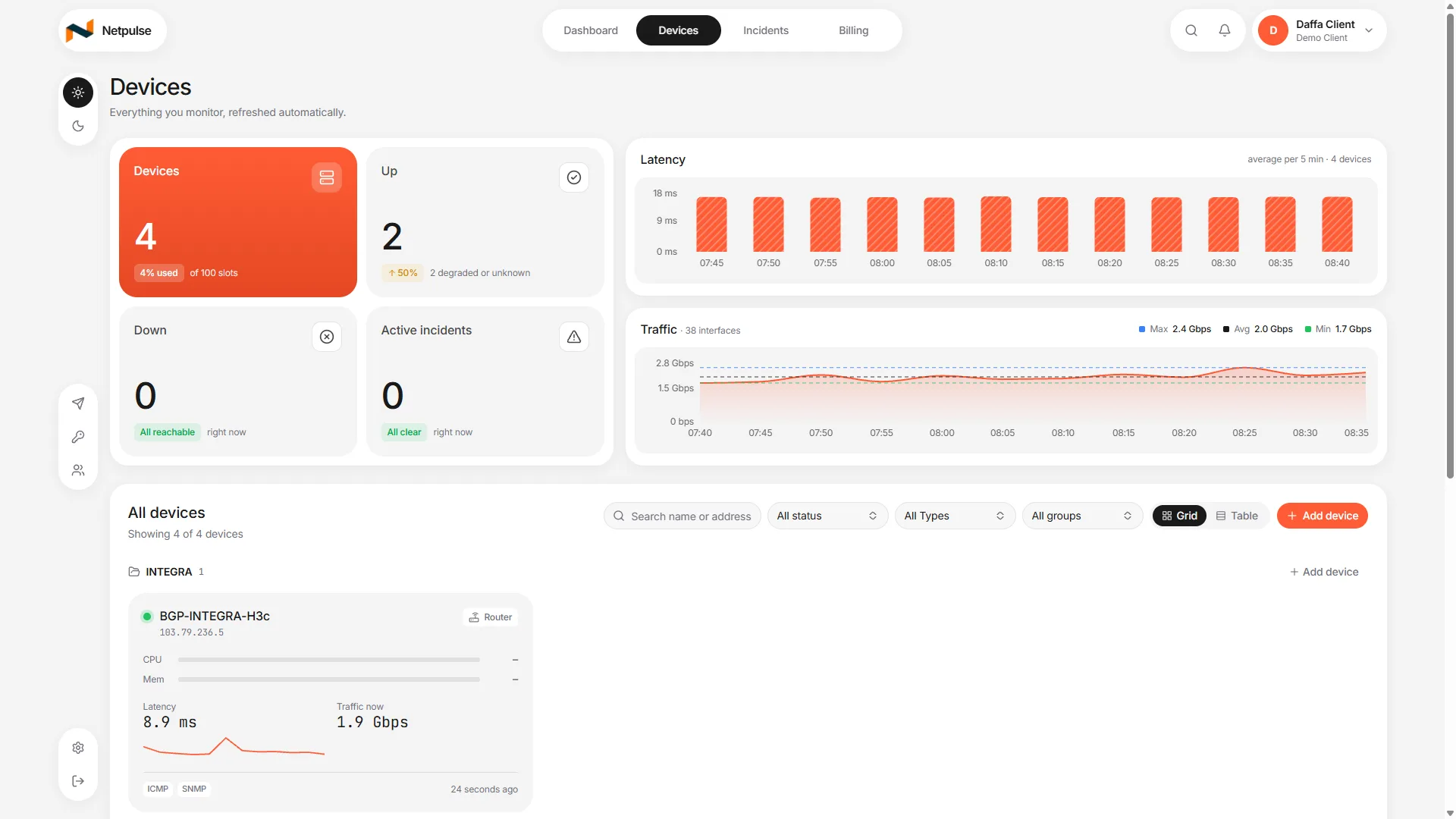

Devices that sense and software that learns
From the sensor on the wire to the model in the cloud, one pipeline designed as one system.
I design connected hardware and the intelligence on top of it: firmware on the device, a reliable link, a data pipeline, and machine-learning models that turn readings into decisions.
Because I work across both sides, trade-offs get made once, in the right place, instead of being argued between a hardware team and a software team.
Skills & tools
What a IoT & AI Systems project draws on
IoT & Embedded
Firmware and connectivity.
Machine Learning
Models that survive production.
Robotics
Motion you can measure.
Monitoring Dashboards
Live data in one place.
How I
work
A look at how a typical IoT & AI Systems project comes together
01
System Design
We map what is sensed, what is decided and where, on the device, at the edge or in the cloud, before anything is ordered or trained.
Outcomes
- Architecture diagram
- Bill of materials
- Data plan
02
Prototype
A working device and a first model on real data, early enough that the assumptions get tested instead of defended.
Outcomes
- Working prototype
- Baseline model
- Evaluation report
03
Hardening
Power, connectivity, drift and failure modes are tested until the system behaves on a bad day, not just a good one.
Outcomes
- Field test results
- OTA update path
- Monitoring dashboard
Related Work
Both. Firmware, electronics, backend and the machine-learning work are designed together, so the pieces fit.
No. Many models run happily on an ESP32 or a Raspberry Pi, which keeps latency low and data local.
Yes. I start by checking what the data can and cannot answer, before promising a model.
Common Questions
Answers to what people ask most about IoT & AI Systems
Need help with your project?
Let’s work together!